What Is Classical Education
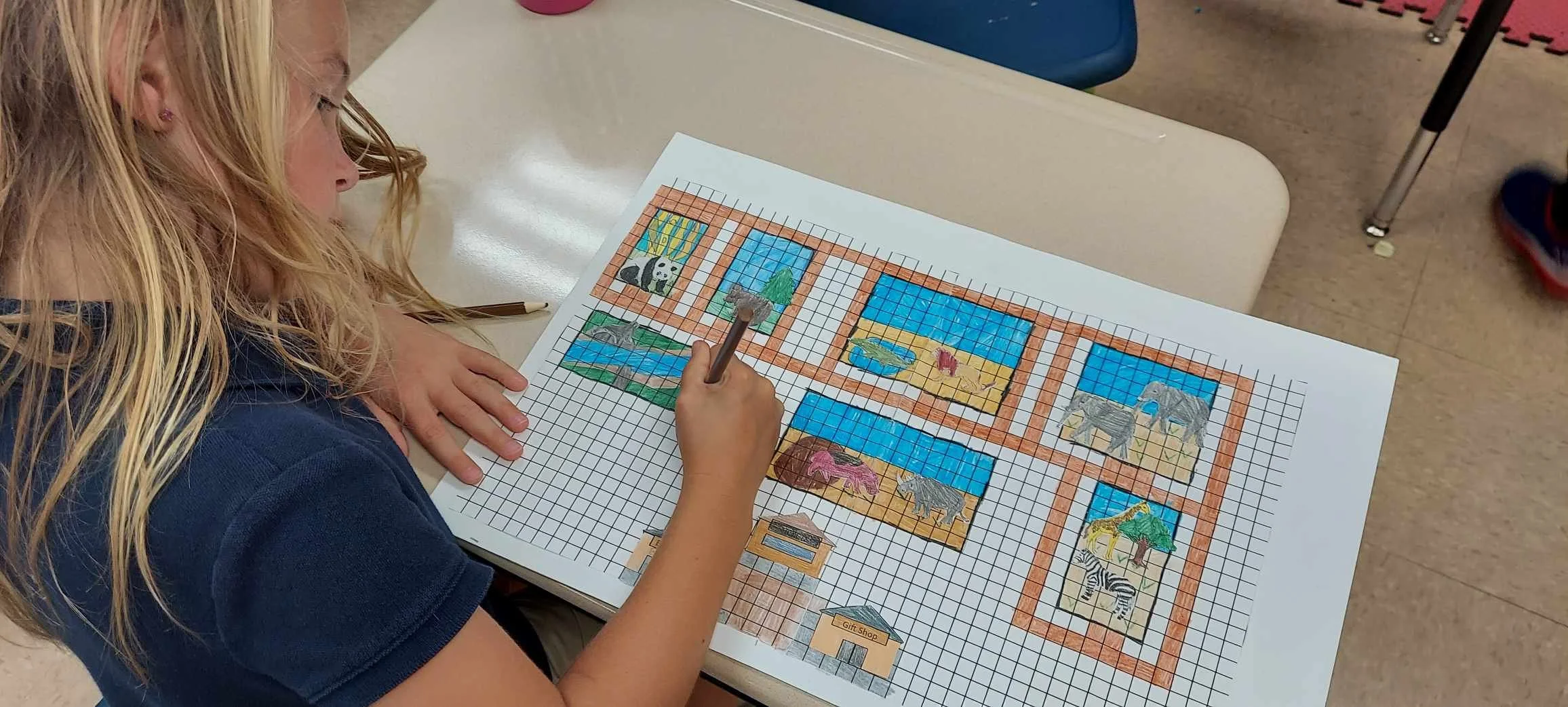
The classical approach to education recognizes three stages of child development, commonly referred to as the grammar, logic, and rhetoric stages. In each stage for a given subject, students are taught what they are best prepared to receive. For example, in the grammar stage, usually kindergarten through about 5th grade, when students are fine-tuned by their Creator to memorize facts, the classical educator encourages them to feast on the facts, the grammar, or building blocks of elementary subjects. As students mature, they grow into the logic stage. Here they begin to move beyond the mere memorization of facts as they ask more “why” questions, and naturally become more interested in debating ideas, using reason to problem solve, and in general, start to understand how the facts they learned in the grammar stage are related to one another. As students enter high school they are ready to tackle the rhetoric stage. Here they focus on persuasive, eloquent communication of thoughts and ideas. This builds on their reasoning skills and uses the building-blocks of the grammar stage.